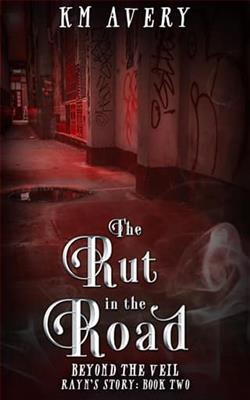
K.M. Avery's "The Rut in the Road" offers an intriguing blend of paranormal mystery and romance, set against a backdrop of magical realism that captivates from the first page. The novel follows a protagonist who is juggling the complexities of adult life while navigating the challenges of possessing both magical and psychic abilities. Avery crafts a narrative that is both engaging and thought-provoking, exploring themes of identity, responsibility, and the intersection of personal and professional life.
At the heart of "The Rut in the Road" is a compelling mystery involving a series of hit-and-run incidents targeting Arcanids, individuals with magical abilities. The protagonist is thrust into the role of investigator, using her psychic abilities to delve into the minds of the killers. This element of the story is reminiscent of works by authors like Charlaine Harris, known for her Sookie Stackhouse series, where the supernatural is seamlessly woven into the fabric of a mystery narrative. Avery's approach, however, stands out due to its nuanced exploration of the protagonist's internal struggles and the emotional toll of her dual responsibilities.
The character development in "The Rut in the Road" is particularly noteworthy. The protagonist is portrayed as a relatable and multi-dimensional character, striving to balance her personal life with the demands of her unique abilities. Her relationship with her boyfriend, a federal agent involved in the same case, adds an additional layer of complexity to the narrative. Avery skillfully navigates the dynamics of their relationship, highlighting the tension between personal desires and professional duties. This aspect of the story resonates with readers who appreciate character-driven narratives, akin to the works of Patricia Briggs and Kelley Armstrong, where personal relationships are intricately tied to the overarching plot.
Avery's writing style is both accessible and evocative, drawing readers into a world where magic and reality coexist. The prose is crisp and engaging, with a pace that keeps the reader invested in the unfolding mystery. Avery's ability to create vivid imagery and a palpable sense of tension is commendable, making "The Rut in the Road" a page-turner that is difficult to put down. The dialogue is sharp and realistic, contributing to the authenticity of the characters and their interactions. This style is reminiscent of the urban fantasy genre, where the setting and atmosphere play a crucial role in enhancing the narrative.
The emotional impact of "The Rut in the Road" is significant, as Avery delves into themes of trust, loyalty, and the moral complexities of using one's abilities for the greater good. The protagonist's journey is one of self-discovery and empowerment, as she learns to harness her abilities while grappling with the ethical implications of her actions. This exploration of morality and identity is a hallmark of the paranormal mystery romance genre, drawing parallels to works by authors like Kim Harrison and Ilona Andrews, who similarly explore the intricacies of power and responsibility in their narratives.
In conclusion, K.M. Avery's "The Rut in the Road" is a captivating addition to the M/M paranormal mystery romance genre. Its blend of mystery, romance, and magical realism offers a fresh perspective on familiar themes, making it a must-read for fans of the genre. Avery's skillful character development, engaging writing style, and exploration of complex themes ensure that this novel will resonate with readers long after they have turned the final page. For those seeking a story that combines the thrill of a mystery with the depth of a character-driven narrative, "The Rut in the Road" is an excellent choice that promises both entertainment and introspection.