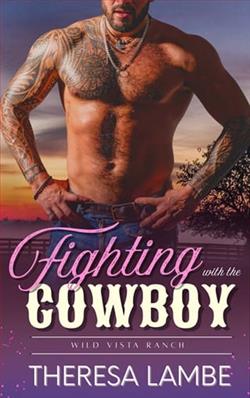
Theresa Lambe's "Fighting With The Cowboy" is a contemporary romance novel that delves into themes of change, resilience, and unexpected love. The story follows a thirty-four-year-old divorcee, who, in a bid to escape the painful reminders of her past life, embarks on an impromptu journey to Rosewood County, Texas. This decision, driven by a whimsical method of choosing a new home, sets the stage for a narrative rich in emotional complexity and character development.
The protagonist's journey is one of self-discovery and healing. As a woman navigating the challenges of single parenthood and the emotional aftermath of divorce, her character is both relatable and compelling. Her decision to relocate is not just a physical move but a symbolic act of reclaiming her life. This theme of transformation is central to the novel and resonates with anyone who has ever sought a fresh start.
Upon arriving in Rosewood County, the protagonist encounters Zeb, a ruggedly handsome cowboy with a mysterious aura and a young son. Zeb's initial coldness towards her adds an intriguing tension to the story, inviting readers to delve deeper into his character. Lambe skillfully unravels Zeb's layers, revealing a man who is as complex as he is captivating. His icy demeanor is a protective facade, masking vulnerabilities that are gradually exposed as the narrative progresses. This slow revelation of character depth is reminiscent of the nuanced storytelling found in works by authors like Nicholas Sparks, where love is often intertwined with personal growth and healing.
The relationship between the protagonist and Zeb is the heart of the novel. Their interactions are charged with a blend of attraction and uncertainty, creating a dynamic that keeps readers engaged. Lambe's writing captures the push and pull of their evolving relationship with a deft touch, balancing moments of tension with those of tenderness. The chemistry between the characters is palpable, and their journey from strangers to something more is both believable and emotionally satisfying.
In terms of writing style, Theresa Lambe employs a conversational tone that makes "Fighting With The Cowboy" accessible and engaging. Her prose is straightforward yet evocative, painting vivid pictures of the Texan landscape and the small-town life that serves as the backdrop for the story. This setting plays a crucial role in the narrative, offering a sense of community and belonging that contrasts with the protagonist's initial feelings of isolation and displacement. The small-town charm is reminiscent of works by Debbie Macomber, where the setting becomes a character in its own right, influencing the lives and decisions of the protagonists.
Emotionally, the novel strikes a balance between light-hearted moments and deeper, more poignant themes. The protagonist's relationship with her daughter, Tiffany, adds another layer to the story, highlighting the challenges and joys of motherhood. Tiffany's teenage perspective provides a fresh lens through which to view the unfolding events, adding humor and authenticity to the narrative. Lambe captures the mother-daughter dynamic with warmth and realism, making their interactions some of the most endearing parts of the book.
"Fighting With The Cowboy" also explores the theme of community and the importance of human connections. As the protagonist becomes more involved in the life of Rosewood County, she discovers the value of friendship and support. This aspect of the story underscores the novel's message that healing and happiness often come from unexpected places and people. The sense of belonging that develops throughout the book is a testament to Lambe's ability to create a world that readers can immerse themselves in and care about.
Overall, Theresa Lambe's "Fighting With The Cowboy" is a captivating addition to the contemporary romance genre. Its exploration of themes such as personal growth, love, and community is both heartfelt and engaging. The well-drawn characters and their emotional journeys make it a compelling read for anyone who enjoys stories of love and second chances. Lambe's ability to weave humor, emotion, and romance into a cohesive narrative ensures that this book will resonate with readers long after the final page is turned.